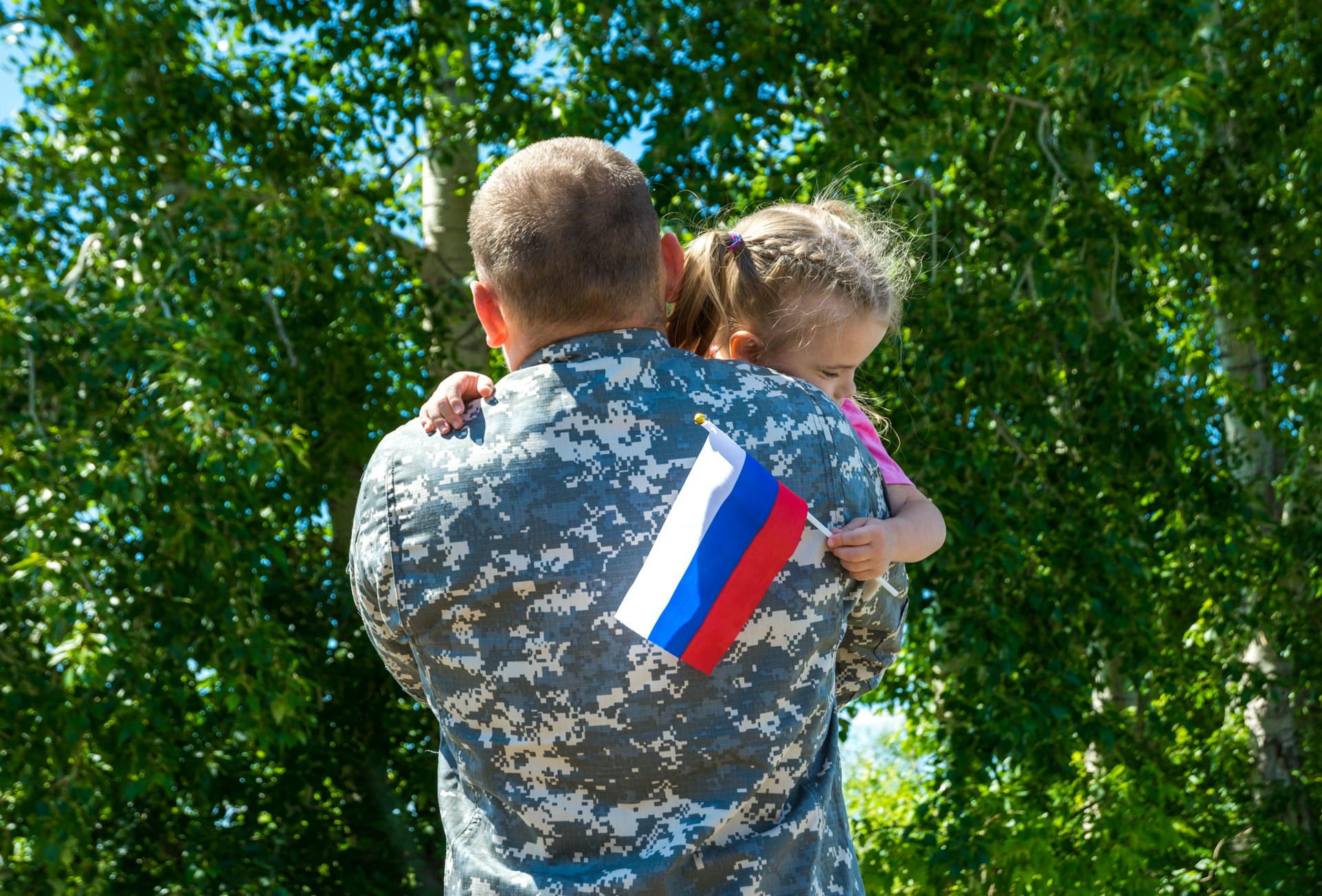
Military veterans have dedicated important years of their lives to protecting their country and serving their communities. Their commitment often requires courage, discipline, and personal sacrifice. As a result, recognizing their contributions remains an important responsibility for individuals, organizations, and communities. Showing appreciation helps veterans feel valued while strengthening public awareness of their service.
Moreover, honoring military veterans involves more than celebrating national holidays or organizing occasional ceremonies. Meaningful recognition requires continuous support, genuine respect, and opportunities for veterans to succeed after military service. Therefore, communities must develop practical approaches that acknowledge their achievements and promote their well-being.
Understanding the Importance of Veteran Recognition
Recognizing military veterans means acknowledging their dedication, professional achievements, and contributions to national security. Many veterans have faced demanding situations while serving their country. As a result, public appreciation helps preserve their experiences and encourages future generations to understand the importance of military service.
Furthermore, recognition creates stronger connections between veterans and civilian communities. When people learn about military experiences, they develop a deeper understanding of the challenges service members may encounter. Therefore, respectful conversations and educational activities can help build lasting relationships based on understanding and appreciation.
Creating Supportive Communities for Veterans
Strong communities play an essential role in helping veterans transition into civilian life. Local organizations can offer employment assistance, educational opportunities, and access to community resources. Community events also provide welcoming spaces where former service members can build friendships and share experiences.
Moreover, businesses and nonprofit organizations can strengthen veteran support through partnerships and volunteer programs. These initiatives encourage collaboration while addressing practical needs. As a result, veterans can access valuable resources and opportunities that support their personal and professional development.
Encouraging Public Awareness Through Education
Education helps people understand the responsibilities and experiences associated with military service. Schools, colleges, and community organizations can introduce programs that explore military history and veteran contributions. Inviting veterans to share their experiences also lets students gain valuable perspectives beyond traditional classroom lessons.
Similarly, digital platforms can expand awareness through interviews, documentaries, and educational campaigns. These resources help communities recognize the diverse backgrounds and achievements of former service members. Therefore, responsible storytelling can encourage greater respect while challenging common misconceptions about veteran experiences.
Supporting Career Development After Military Service
Transitioning from military service to civilian employment can challenge some veterans. Although military training develops valuable leadership, communication, and problem-solving skills, employers may not always recognize how these abilities apply to civilian positions. As a result, career development programs can help veterans translate their experience into professional opportunities.
Additionally, employers can create more inclusive hiring practices by recognizing military experience and offering professional training. Mentorship programs, networking events, and career counseling can further support successful transitions. As a result, veterans can pursue meaningful careers while contributing their expertise to different industries.
Recognizing the Contributions of Military Families
Military families often experience significant responsibilities during a service member’s career. Frequent relocations, extended separations, and changing schedules can affect family routines. Therefore, recognizing military service should also include appreciation for spouses, children, and other family members who provide essential support.
Communities can also support military families through educational resources, family support programs, and local activities. These initiatives help strengthen relationships and improve access to important services. As a result, supporting families creates a more comprehensive approach to honoring military contributions.
Promoting Veteran Health and Emotional Well-Being
Veterans may experience physical and emotional challenges after completing military service. However, needs vary widely, and many veterans transition successfully without needing specialized assistance. Therefore, communities should promote accessible healthcare resources while respecting each veteran’s independence and personal circumstances.
Moreover, organizations can support well-being through recreational activities, peer networks, and connections to qualified healthcare professionals. Encouraging open discussions about mental health can also reduce stigma and improve awareness. As a result, veterans may feel more comfortable seeking assistance when they need it.
Celebrating Military Service Through Meaningful Activities
Community celebrations provide opportunities to recognize military veterans and express appreciation for their contributions. Veterans Day ceremonies, educational exhibitions, and recognition events can bring people together around shared values. These activities also encourage younger generations to learn about military history and the responsibilities of public service.
However, meaningful appreciation should extend beyond formal events. Simple actions such as listening to veterans, supporting veteran-owned businesses, and volunteering with reputable organizations can create positive experiences. Therefore, consistent community involvement often provides greater value than occasional expressions of gratitude alone.
Building Long-Term Partnerships for Veteran Support
Government agencies, nonprofit organizations, educational institutions, and private businesses can work together to improve veteran services. Through coordinated efforts, these groups can identify community needs and develop practical programs. Partnerships can also improve access to employment opportunities, educational assistance, and supportive resources.
Likewise, involving veterans in program planning helps organizations understand their priorities and avoid unnecessary assumptions. Former service members can offer valuable insights about effective support strategies. As a result, veteran participation strengthens community initiatives and promotes solutions grounded in real experience.
Inspiring Future Generations to Honor Veterans
Young people play an important role in preserving respect for military veterans. Schools and community groups can encourage students to explore historical events, participate in service projects, and engage in respectful discussions. These experiences also help students understand the importance of civic responsibility and community involvement.
Positive interactions between generations can also preserve important personal stories and encourage mutual understanding. When younger individuals appreciate veterans’ experiences, they become more aware of the responsibilities of citizenship. Therefore, educational engagement helps maintain a lasting culture of respect.
Promoting respect and recognition for military veterans requires consistent action, community participation, and genuine appreciation. Through education, employment support, healthcare access, and meaningful celebrations, communities can acknowledge military contributions while addressing practical needs.
Ultimately, honoring veterans means recognizing their service while supporting their futures. By building inclusive programs and encouraging long-term partnerships, society can demonstrate appreciation through actions that create lasting opportunities for those who have served.