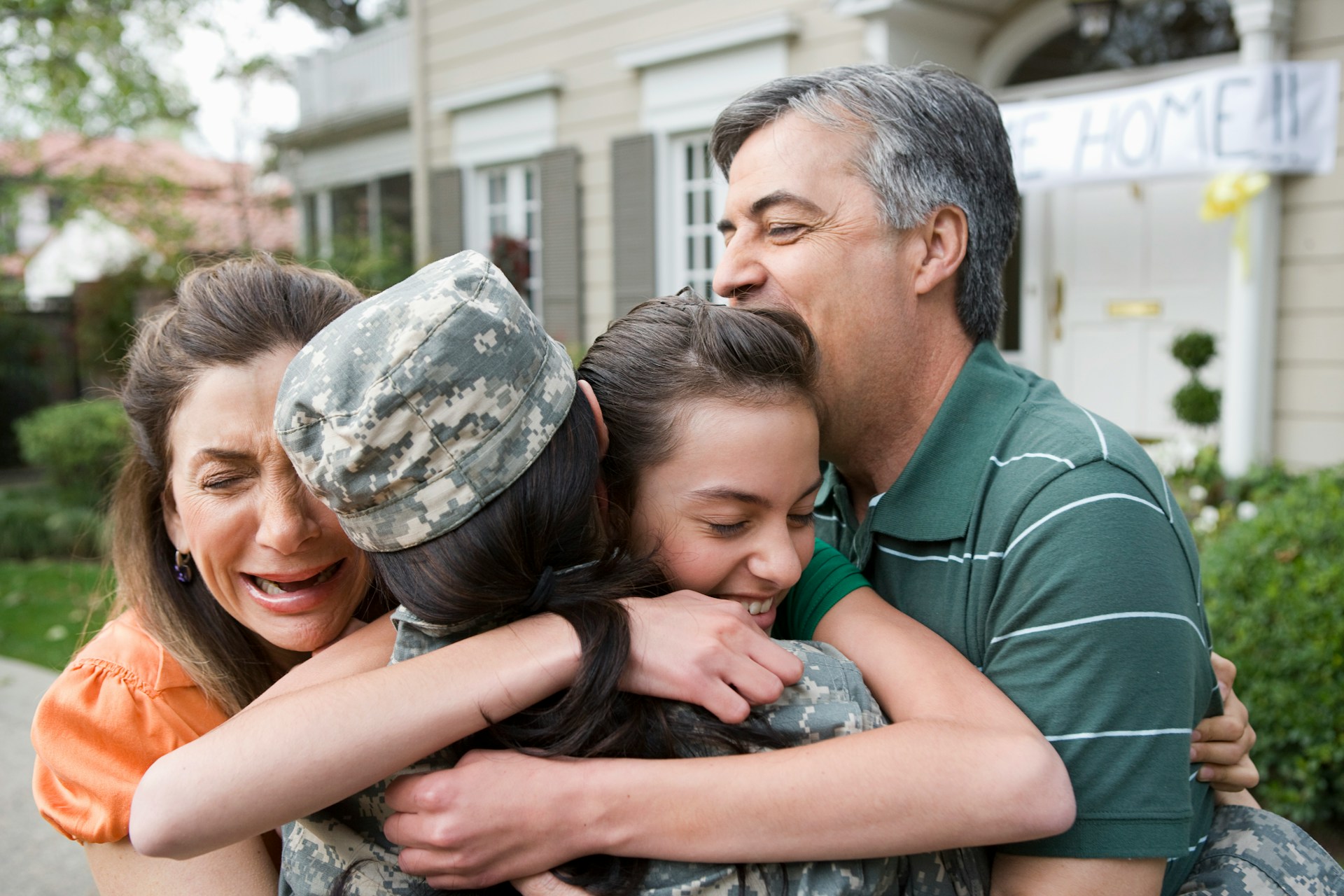
Veterans have given time, courage, and dedication to protect the values that communities hold dear. Therefore, honoring their efforts requires more than words on special occasions. It requires steady actions that recognize their experiences and provide meaningful care throughout their lives. Strong veteran support programs help communities create lasting connections with those who have worn the uniform and ensure that their contributions remain valued long after their duty ends.
Every veteran carries a unique story shaped by challenges, achievements, friendships, and personal growth. Because of this, a true commitment to veterans must focus on respect, understanding, and practical assistance. Communities, organizations, and individuals can all play a role in creating an environment where veterans feel recognized, included, and appreciated.
Why Gratitude Must Become Daily Action
Gratitude becomes more powerful when people show it through consistent choices. While ceremonies and public acknowledgments hold importance, veterans also need ongoing support that reflects genuine appreciation. Simple actions, such as listening to their experiences, recognizing their skills, and creating welcoming spaces, can make a meaningful difference.
Moreover, daily recognition helps build stronger relationships between veterans and the communities around them. When people take time to understand the challenges veterans face, they can respond with greater care and awareness. As a result, veterans often feel more connected and confident as they adjust to new stages of life.
A commitment to veterans also means recognizing that their needs may change over time. Some veterans may seek career guidance, while others may need assistance with education, housing, or personal goals. Therefore, communities must continue improving the ways they offer help and encouragement.
Recognizing Sacrifice Through Meaningful Efforts
Veterans often leave behind familiar routines and environments when they complete their military careers. Because of this transition, they may face new challenges as they explore civilian opportunities. Recognition should include practical steps that help them move forward while respecting the experiences that shaped them.
Additionally, honoring veterans means valuing the skills they gained through their military background. Leadership, teamwork, discipline, and problem-solving abilities often become valuable strengths in workplaces and communities. By highlighting these qualities, society can help veterans see the lasting impact of their contributions.
Furthermore, meaningful efforts should include families who stand beside veterans throughout their journeys. Loved ones often experience changes, sacrifices, and adjustments alongside them. By recognizing these families, communities create a broader culture of appreciation and care.
Building Stronger Connections After Duty Ends
Life after military service can bring exciting opportunities, but it can also create uncertainty. Therefore, strong connections are essential for helping veterans find purpose and direction. Supportive relationships with employers, community groups, and fellow veterans can provide encouragement during important transitions.
In addition, connection allows veterans to share their knowledge and experiences with others. Many veterans become mentors, volunteers, and leaders who positively influence future generations. Their stories can inspire young people to understand the importance of responsibility, commitment, and teamwork.
Communities can strengthen these connections by creating spaces where veterans feel welcome. Local events, educational programs, and outreach efforts allow people to interact beyond formal celebrations. As a result, veterans become recognized members of the community rather than individuals remembered only during certain times of the year.
Providing Resources That Make Transitions Easier
Access to reliable resources can greatly improve a veteran’s ability to adjust after military life. Career assistance, educational opportunities, healthcare guidance, and financial planning services can help veterans build stable futures. However, these resources must remain easy to find and simple to access.
Many organizations work hard to provide information and guidance, yet veterans may not always know where to begin. Therefore, clear communication remains essential. Communities should share available options and make sure veterans understand the assistance that exists.
Over time, personalized help can create better outcomes. For example, military family resources can offer important guidance for households managing changes together. These resources recognize that a veteran’s journey affects more than one person, and they help families develop stronger foundations.
Creating Opportunities for Growth and Belonging
Veterans deserve opportunities that allow them to continue growing and contributing. Employment programs, education pathways, and leadership opportunities can help veterans use their abilities in new settings. Additionally, these opportunities encourage confidence and a sense of purpose.
A welcoming environment also plays an important role in veteran well-being. When organizations actively include veterans, they create spaces where different experiences and perspectives are valued. This approach benefits everyone because it brings together people with diverse backgrounds and strengths.
Furthermore, veterans often want to continue making a positive difference. Volunteer work and community involvement allow them to share their talents while building new relationships. These opportunities remind veterans that their dedication still matters in many ways.
Strengthening Bonds Between Generations
The lessons learned through military experiences can offer valuable insight for younger generations. Therefore, encouraging conversations between veterans and young people helps preserve important stories and values. These discussions can teach respect, resilience, and responsibility.
Schools, community groups, and families can create opportunities for these connections. When younger individuals hear directly from veterans, they gain a deeper understanding of commitment and courage. Moreover, veterans often appreciate the chance to share their knowledge with others.
Passing these lessons forward ensures that future generations recognize the importance of sacrifice and dedication. In addition, it creates a culture where appreciation grows naturally through education and personal connection.
Keeping Appreciation Alive Through Collective Responsibility
Honoring veterans requires teamwork from individuals, organizations, and communities. Although one person cannot solve every challenge, collective action can create meaningful progress. When people work together, they can develop stronger systems that recognize veterans and address their changing needs.
Businesses, nonprofits, and local groups can all contribute by creating inclusive programs and opportunities. Likewise, individuals can make a difference by offering respect, kindness, and support in everyday interactions. Small efforts often become part of a larger movement that improves the lives of many veterans.
A lasting commitment also depends on continued learning. Communities should listen to veterans, understand their experiences, and adjust their efforts when needed. By doing so, they create a more thoughtful approach that reflects genuine appreciation.
A Lasting Promise to Those Who Gave So Much
A meaningful commitment to veterans grows when people focus on respect, connection, and action. Through community veteran care, individuals and organizations can help create a future where veterans receive recognition not only for what they have done but also for what they continue to contribute. This dedication strengthens communities and shows veterans that their efforts remain important.
Ultimately, honoring veterans is an ongoing responsibility that reflects shared values. When society provides encouragement, resources, and opportunities, veterans can continue building successful and fulfilling lives. By standing together, communities can ensure that appreciation becomes a lasting part of everyday life.