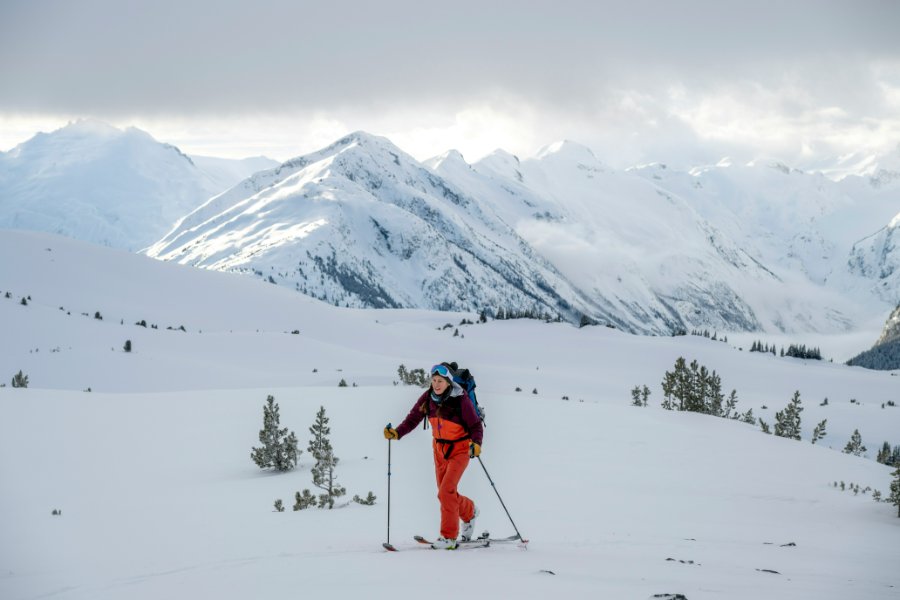
Mountain adventures offer a wonderful way to enjoy natural beauty, stay active, and discover new experiences. From snowy peaks and peaceful trails to breathtaking views, the mountains provide opportunities for people to connect with nature and enjoy a healthy lifestyle. However, outdoor activities are not always equally accessible to everyone. People with disabilities may face physical barriers, limited equipment, or a lack of support that makes exploring mountain destinations difficult. Adaptive sports are helping change this by making outdoor recreation more inclusive, allowing people of different abilities to experience the excitement, freedom, and beauty of the mountains.
Building Confidence Through Outdoor Experiences
Participating in adaptive sports can help people develop confidence and independence. Learning a new skill, navigating mountain terrain, or completing a challenging activity allows participants to recognize their abilities and achievements. Every small success can become a meaningful milestone. Whether someone learns to ski for the first time or reaches a scenic trail viewpoint, these experiences can encourage a positive mindset and inspire them to try more activities. The mountains offer a natural setting where people can challenge themselves at their own pace.
Outdoor recreation can also support emotional well-being. Spending time in nature helps people step away from everyday stress, enjoy fresh air, and focus on positive experiences. Adaptive sports encourage social interaction, teamwork, and friendship, which can help participants feel more connected to others. Instructors, volunteers, family members, and fellow athletes often become important sources of encouragement. These shared moments can make outdoor adventures memorable while helping people feel more confident, valued, and included in their communities.
Making Mountain Adventures More Accessible
Adaptive sports create opportunities for people with disabilities to participate in mountain activities that might otherwise seem out of reach. These programs use specialized equipment, modified techniques, and trained instructors to make outdoor experiences safer and more comfortable. Adaptive skiing, snowboarding, mountain biking, and hiking allow participants to enjoy nature while exploring activities that match their abilities. With the right support, people can discover new interests, develop skills, and enjoy experiences that bring excitement and personal satisfaction.
Accessibility also involves creating welcoming environments where everyone feels comfortable participating. Mountain resorts, outdoor recreation centers, and trail organizations can improve access by providing suitable facilities, accessible transportation, and trained staff. Adaptive equipment, such as sit-skis, specialized bikes, and supportive hiking devices, can help individuals overcome physical challenges. These improvements make outdoor activities more enjoyable and encourage more people to explore the mountains without feeling excluded. When destinations prioritize accessibility, they create experiences that welcome families, individuals, and visitors from different backgrounds.
Encouraging Inclusive Mountain Communities
Adaptive sports also help communities understand the importance of accessibility and inclusion. When people with different abilities participate in outdoor activities together, they create opportunities to learn from one another and develop greater respect. These experiences can challenge assumptions about disability and demonstrate that physical limitations do not prevent people from enjoying adventure, pursuing goals, or developing new skills. Inclusive recreation encourages communities to focus on individual abilities rather than limitations.
Mountain resorts and outdoor organizations can strengthen these efforts by investing in adaptive programs, accessible facilities, and staff training. Partnerships with disability organizations can help identify barriers and improve services based on real participant needs. Community events, adaptive lessons, and inclusive outdoor programs can introduce more people to mountain recreation while encouraging businesses to improve accessibility. These changes can also support tourism by making destinations attractive to a wider range of visitors and families.
Creating Opportunities for Future Generations
The growing popularity of adaptive sports shows that mountain recreation can become more inclusive when communities make accessibility a priority. Children and young adults with disabilities deserve opportunities to explore nature, develop interests, and participate in outdoor activities alongside their peers. Early experiences with adaptive sports can help build confidence, encourage an active lifestyle, and create lasting appreciation for outdoor recreation. These opportunities may inspire future generations to remain active and discover new adventures throughout their lives.
By removing barriers and expanding adaptive programs, mountain destinations can create meaningful experiences for everyone. Accessibility is not simply about providing special equipment or changing facilities. It is about making people feel welcome, respected, and supported. Children skiing can also benefit from inclusive programs that help them explore the mountains, develop confidence, learn new skills, and enjoy outdoor adventures with their families and peers. When mountain communities embrace inclusive recreation, they open the door to new friendships, personal achievements, and shared experiences. These efforts promote personal growth, strengthen community connections, and support long-term success in making mountain recreation accessible to people of all abilities for generations to come.